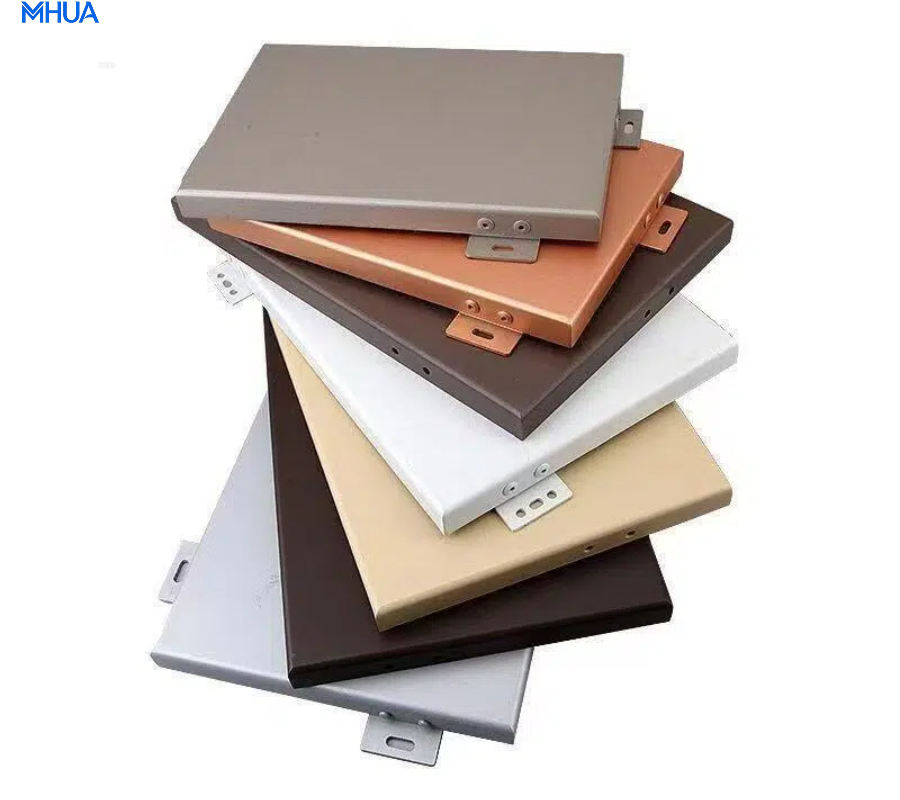
When Should We Start Planning the Facade System?
Jun 18, 2026Many projects begin with discussions about architecture.
Building form.
Floor layouts.
Visual appearance.
Design concepts.
The facade system, however, is often discussed much later—sometimes only after the architectural concept has already been approved.
From a project workflow perspective, this may seem reasonable.
From a project delivery perspective, this is often where problems begin.
Over the years, I have noticed a recurring pattern across many projects:
Projects rarely encounter difficulties because the facade system was considered too early.
More often, they encounter difficulties because the facade system was considered too late.
Several years ago, we were involved in a mixed-use development project.
The architectural concept had already been approved.
The design featured large transparent glass surfaces with minimal visible framing.
The renderings looked impressive.
The client was satisfied.
Everything appeared to be moving forward smoothly.
However, once the facade engineering phase began, the project team discovered that some of the proposed glass spans exceeded the economical limits of the initially assumed system.
Meeting the required structural performance would require thicker glass, larger aluminum profiles, and additional supporting elements.
As a result, several facade details had to be redesigned.
Parts of the architectural design needed adjustment.
Procurement schedules were delayed.
Additional coordination became necessary.
Looking back, nobody had made a mistake.
The architect had done their job.
The engineers had done theirs.
The real issue was that the facade system had not been seriously evaluated until many critical design decisions had already been made.
By then, the flexibility to optimize the project had become significantly limited.
This challenge is closely aligned with a well-known concept in the construction industry: the MacLeamy Curve.
Originally introduced by Patrick MacLeamy and widely referenced by BuildingSMART and leading design organizations, the concept demonstrates a simple but powerful principle:
The ability to influence project cost, performance, and outcomes is greatest during the early stages of design.
As the project progresses, the cost of change increases while the opportunity for optimization decreases.
In other words, decisions made during concept design often have the greatest impact on the final success of a project.
The same principle applies directly to facade systems.
Many people still view the facade as a building skin that is selected after the architecture has been developed.
In reality, for complex projects, the facade system influences far more than appearance.
It can affect:
Structural coordination
Floor edge design
Glass dimensions
Energy performance
Fire strategy
Drainage concepts
Maintenance access
Project budget
Procurement timelines
For this reason, facade planning should not be viewed as a downstream activity.
It is often a design driver.
The most successful projects are not necessarily those with the most advanced facade systems.
They are the projects where architects, structural engineers, facade consultants, contractors, and suppliers begin discussing facade strategy while key design decisions are still flexible.
That is when meaningful optimization becomes possible.
After participating in projects across different markets, I have become increasingly convinced of one thing:
Most project challenges do not arise because the facade system is too complex.
They arise because the facade system enters the conversation too late.
By the time the facade becomes a procurement package, most of the important decisions have already been made.
So the real question is not:
When should we buy the facade?
The real question is:
When should we start thinking about it?
My answer is simple:
As early as possible.
Because the best facade systems are rarely created during shop drawing stages.
They begin taking shape when the building concept itself is still being formed.
Early facade planning reduces redesign risk.
Concept-stage decisions have the greatest impact on cost and performance.
Facade systems influence structure, budget, procurement, and constructability.
Late facade involvement often results in design revisions and project delays.
Successful projects integrate facade thinking from the beginning.
Ideally during the concept design stage, when major project decisions remain flexible.
Because early decisions significantly influence performance, constructability, budget, and procurement strategies.
Yes. Early system evaluation helps identify risks and optimize solutions before expensive design changes become necessary.
By the time a facade system becomes a procurement package, most of the important decisions have already been made.
The real question is not when to buy the facade.
It is when to start thinking about it.
Kevin Zhang works at MHUA Curtain Wall Technology Co., Ltd.
LinkedIn:Connect with Kevin Zhang on LinkedIn
He focuses on facade engineering projects, including facade design development, Rhino + Grasshopper parametric modeling, curtain wall technical support, and integrated facade supply chain solutions.
The insights shared in this article are based on practical project experience and industry research.