What Are the Best Facade Materials for Hot Climates?
Jun 26, 2026In hot climates, facade materials do much more than define a building's appearance. They directly influence indoor comfort, energy consumption, long-term durability, and maintenance costs.
Regions characterized by intense solar radiation, high temperatures, significant day-night temperature variations, and, in some cases, high humidity place unique demands on building envelopes.
When materials are not properly selected, common problems may appear quickly:
· Surface fading
· Thermal expansion and contraction damage
· Coating degradation
· Excessive heat absorption
· Increased cooling loads
For architects, developers, and building owners, the key question is not simply how a facade looks, but whether it can effectively reflect heat, resist UV exposure, accommodate temperature fluctuations, and maintain long-term performance.
This is why considering material performance during the design stage is far more effective than addressing problems later.
Darker colors generally absorb more heat.
Materials with higher solar reflectance can reduce facade surface temperatures and minimize heat transfer into the building.
For facades exposed to intense afternoon sun, light-colored finishes, reflective metal coatings, and terracotta systems often offer advantages.
Strong ultraviolet exposure accelerates material aging and can lead to:
· Color fading
· Brittleness
· Surface chalking
· Coating deterioration
For facades facing prolonged sun exposure, weather-resistant coatings and material stability become critical considerations.
Hot climates often experience significant temperature fluctuations between day and night.
Materials with poor dimensional stability may experience:
· Cracking
· Warping
· Joint failure
· Deformation around corners and connections
Some materials perform well initially but require frequent cleaning, repair, or recoating.
For large-scale developments, maintenance efficiency often becomes more important than short-term aesthetics.
In hot and humid regions, materials must also withstand:
· Moisture exposure
· Mold growth
· Salt-laden air
· Corrosion
This consideration is especially important in coastal environments.
Terracotta panels are widely used in hot climates because they combine durability, weather resistance, and architectural appeal.
· Excellent UV resistance
· Long-term color stability
· Strong resistance to weathering
· Compatible with ventilated facade systems
· Relatively low maintenance requirements
· Joint and support systems must accommodate thermal movement
· Dark colors can still absorb significant heat
· Material selection should be considered together with color strategy
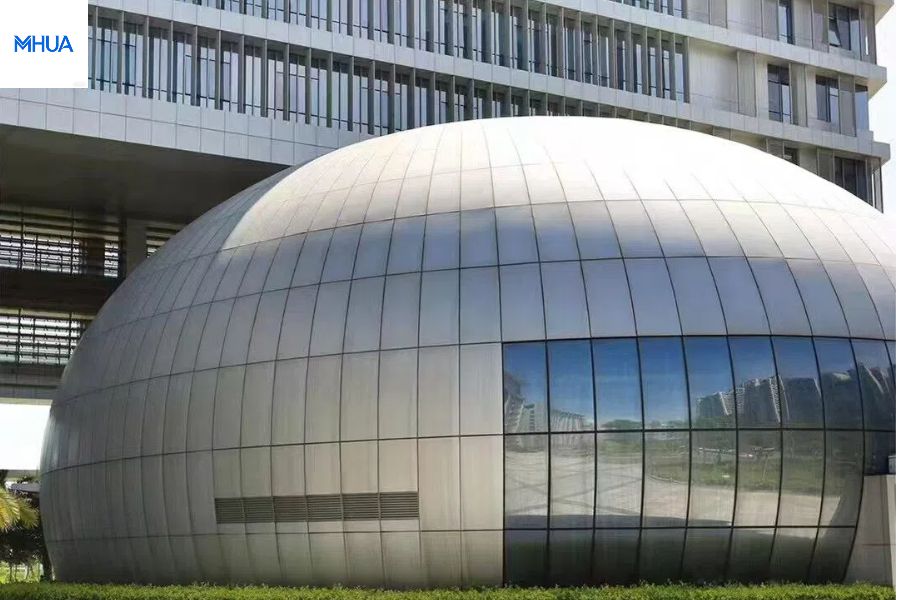
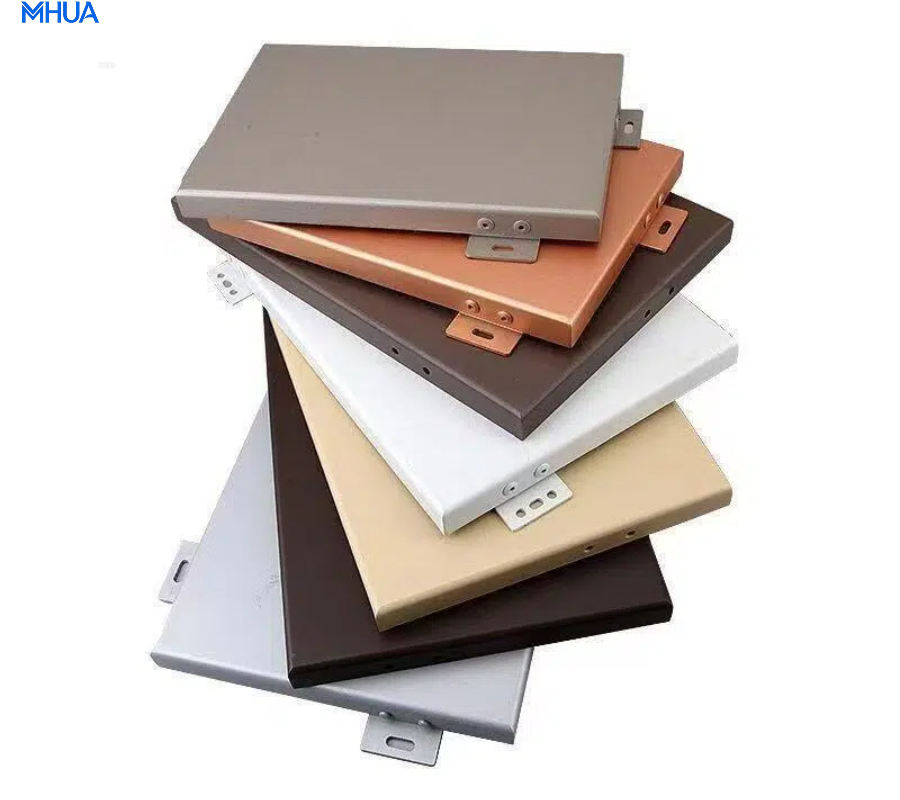
Metal cladding is widely used in contemporary architecture and is particularly suitable for projects requiring lightweight construction and flexible design expression.
· Lightweight
· Suitable for large facade areas
· High design flexibility
· Compatible with high-performance coatings
· Fast installation
· Metals conduct heat quickly
· Thermal performance depends heavily on insulation and ventilated cavity design
· Coating quality is critical for long-term appearance
· Connections must accommodate thermal expansion
Concrete can perform successfully in hot climates when combined with appropriate mix designs and facade detailing.
· High durability
· Strong thermal mass characteristics
· Suitable for monolithic architectural expressions
· Surface temperatures can become high
· Dark or textured finishes may increase heat absorption
· Additional shading, insulation, and ventilation strategies are often required
Natural stone remains a popular choice for public buildings, hospitality projects, and premium residential developments.
· Long service life
· Excellent weather resistance
· Stable appearance over time
· Light-colored stones often perform well in hot climates
· Water absorption characteristics vary significantly
· Installation systems require careful engineering
· Excessive panel thickness increases structural loads
These systems provide a balance between cost, durability, and design flexibility.
· Lightweight
· Easy installation
· Wide range of surface finishes
· Compatible with insulation systems
· Thermal performance depends on the overall wall assembly
· Joint detailing and waterproofing are critical
· Product quality varies significantly between manufacturers
In regions with intense sunlight and low humidity, priority should be given to reducing heat absorption and minimizing thermal accumulation.
Recommended solutions include:
· Light-colored terracotta panels
· Reflective aluminum cladding systems
· Light-colored natural stone
External shading devices should also be incorporated whenever possible.
In humid environments, moisture management becomes equally important.
Recommended solutions include:
· Ventilated facade systems
· Corrosion-resistant metal systems
· Low water-absorption materials
Wood can still be used, but only with appropriate protection and maintenance strategies.
Materials in these environments experience repeated expansion and contraction cycles.
Priority should be given to:
· Dimensionally stable materials
· Flexible connection systems
· Facade assemblies that accommodate movement
One of the most common misconceptions is that facade performance depends entirely on material selection.
In reality, many facade failures occur because materials are not integrated into an appropriate facade system.
The same material can perform very differently depending on how it is designed and installed.
Key considerations include:
· Ventilation cavities
· Shading devices
· Insulation placement
· Joint design
· Movement accommodation
· Color strategy
There is no universal "best" facade material for hot climates.
Successful facade design results from the combination of:
· Material performance
· Climate conditions
· Facade system design
· Building orientation
· Long-term maintenance planning
Terracotta, metal cladding, natural stone, and fiber cement panels all offer distinct advantages.
The most effective solution is the one that aligns with the project's climate, performance objectives, and lifecycle requirements.
There is no single best material. The ideal choice depends on climate conditions, building type, maintenance requirements, and facade system design.
Yes. Terracotta panels offer excellent UV resistance, long-term color stability, and work particularly well within ventilated facade systems.
Yes, provided they are combined with appropriate insulation, ventilation cavities, and high-performance coatings.
In many cases, yes. Ventilation, shading, insulation, and detailing often have a greater impact on long-term performance than the material alone.
Kevin Zhang
MHUA Curtain Wall Technology Co., Ltd.
LinkedIn:Connect with Kevin Zhang on LinkedIn
Kevin Zhang specializes in facade engineering, facade design development, Rhino + Grasshopper modeling, curtain wall technical support, and integrated facade supply chain solutions.
The insights shared in this article are based on practical project experience and industry research.